


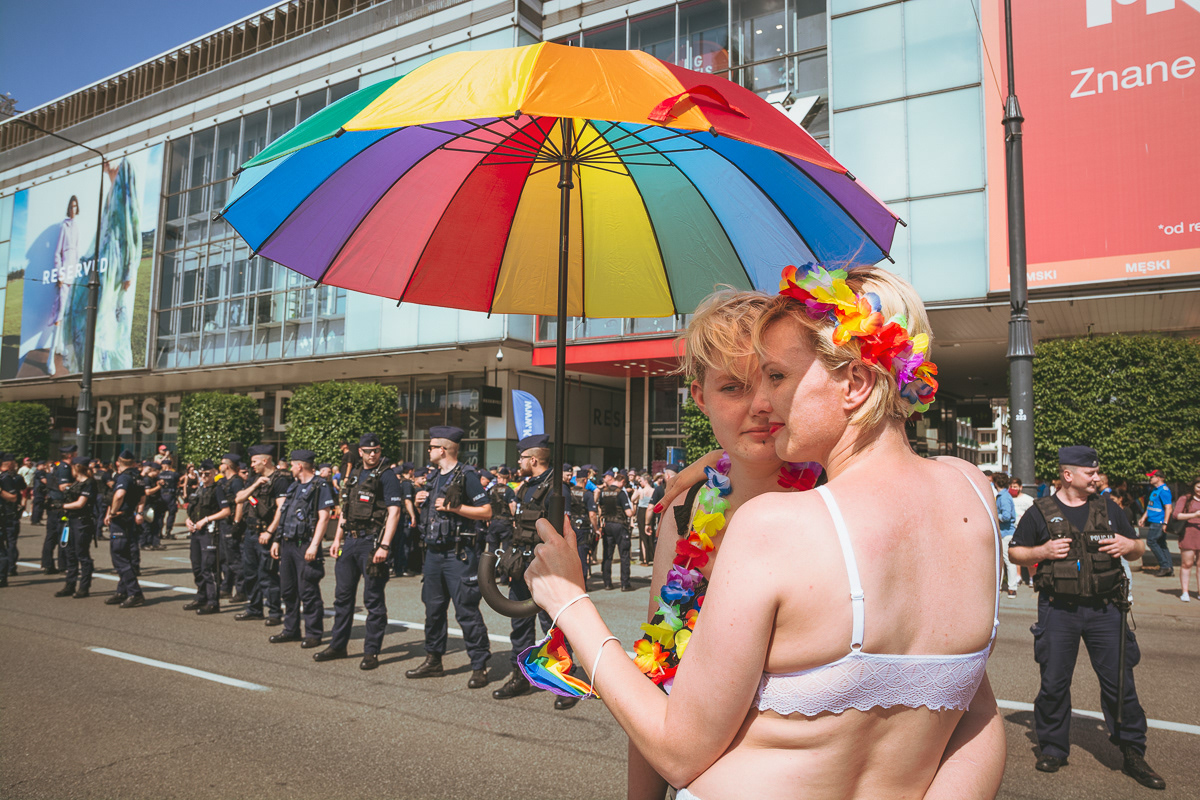


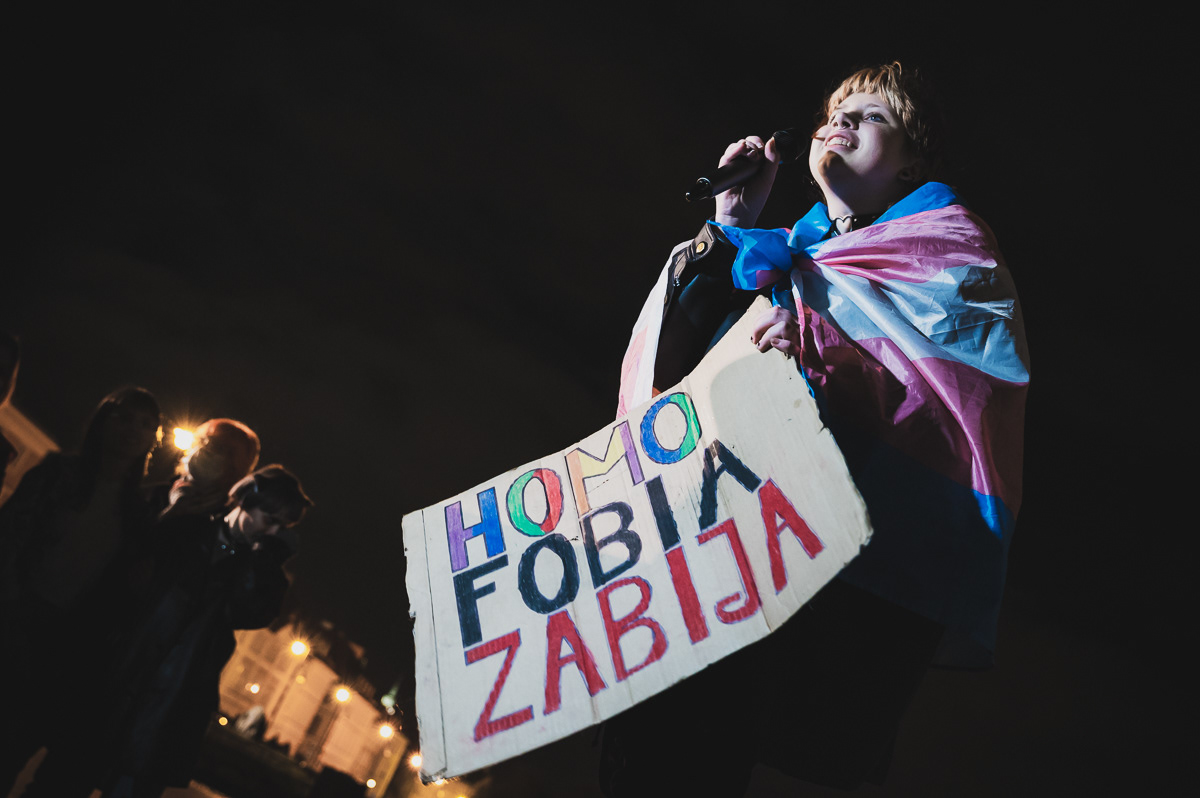
"Homophobia kills"

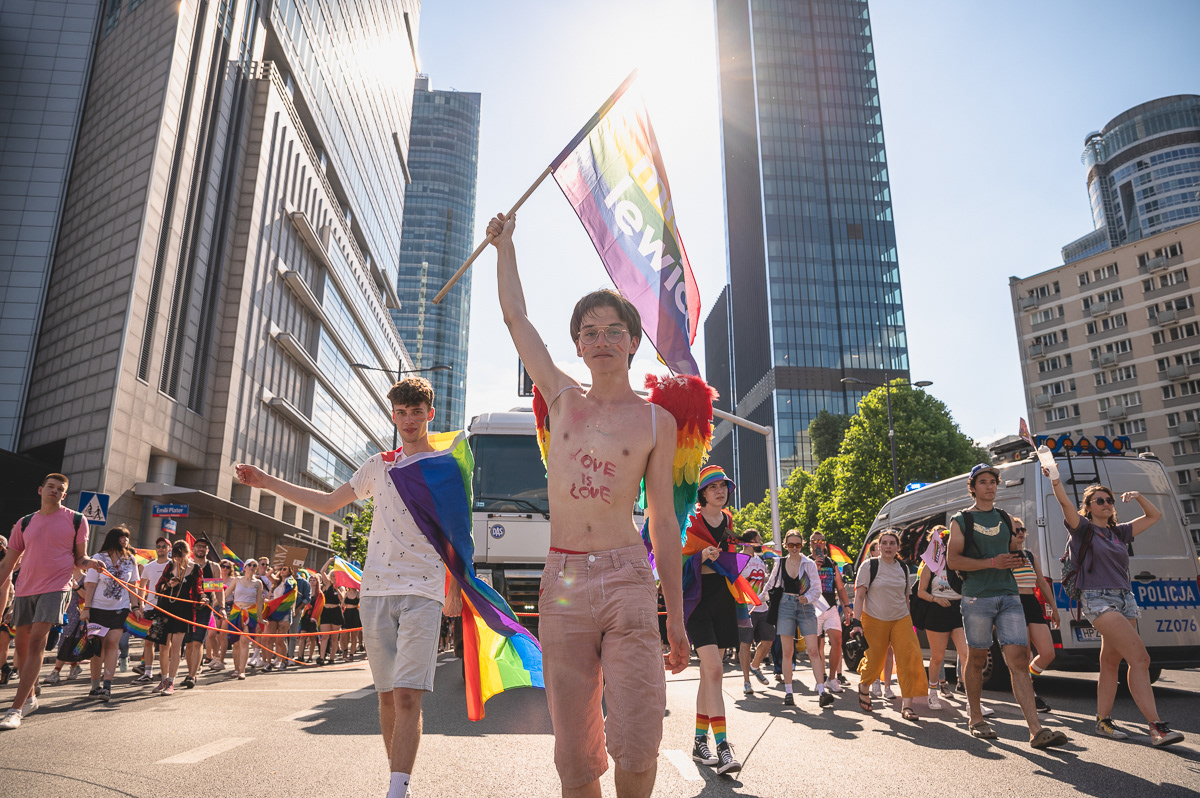
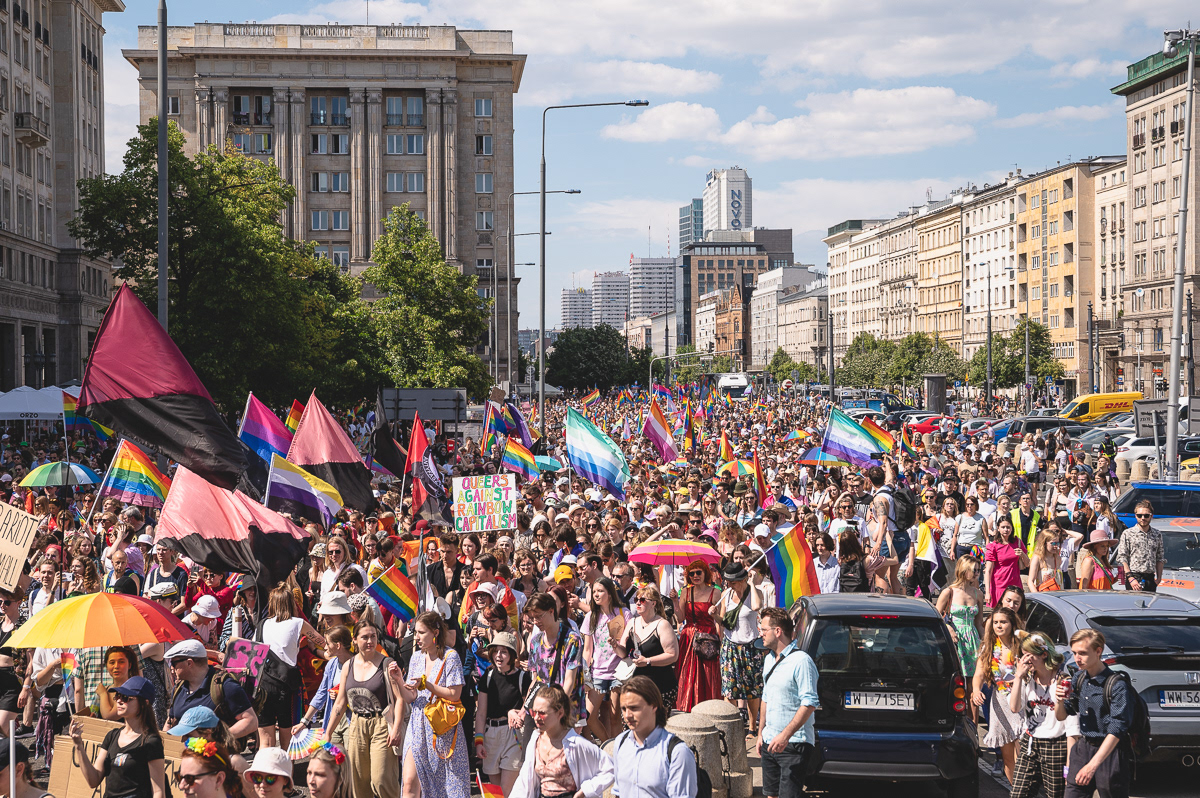
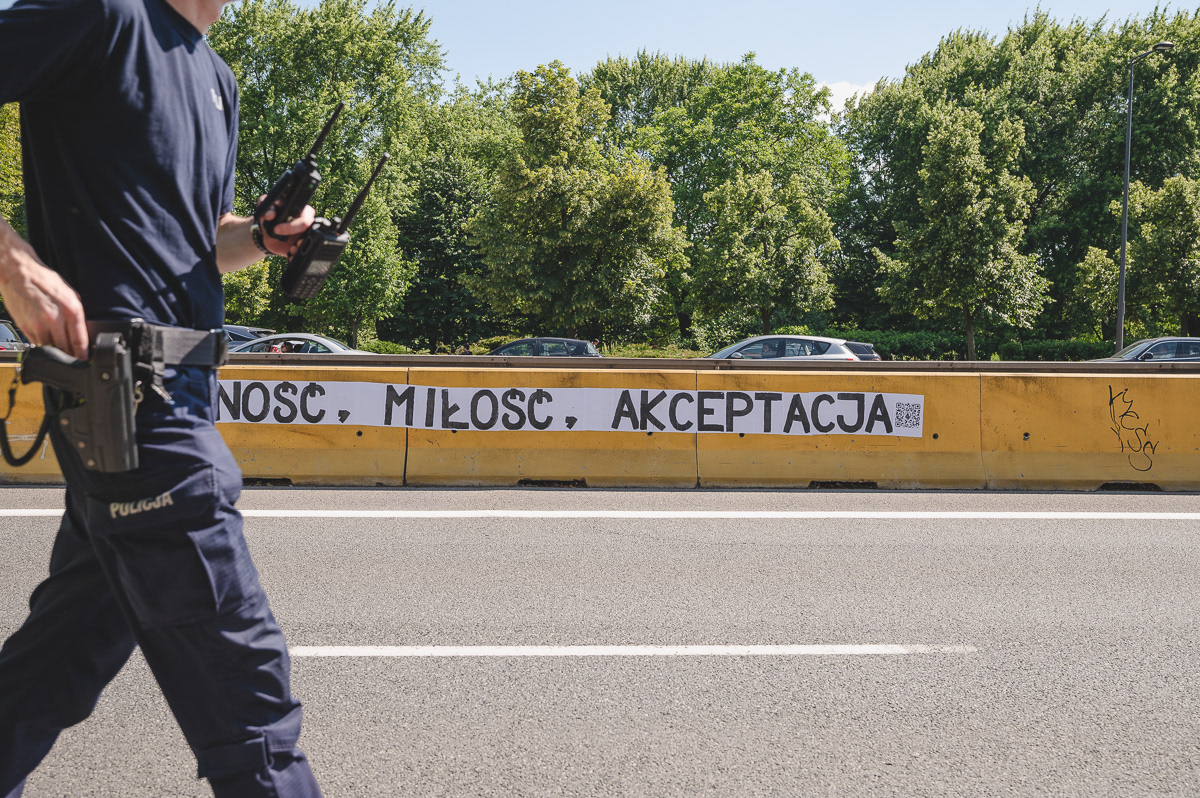
"-ality, love, acceptance"
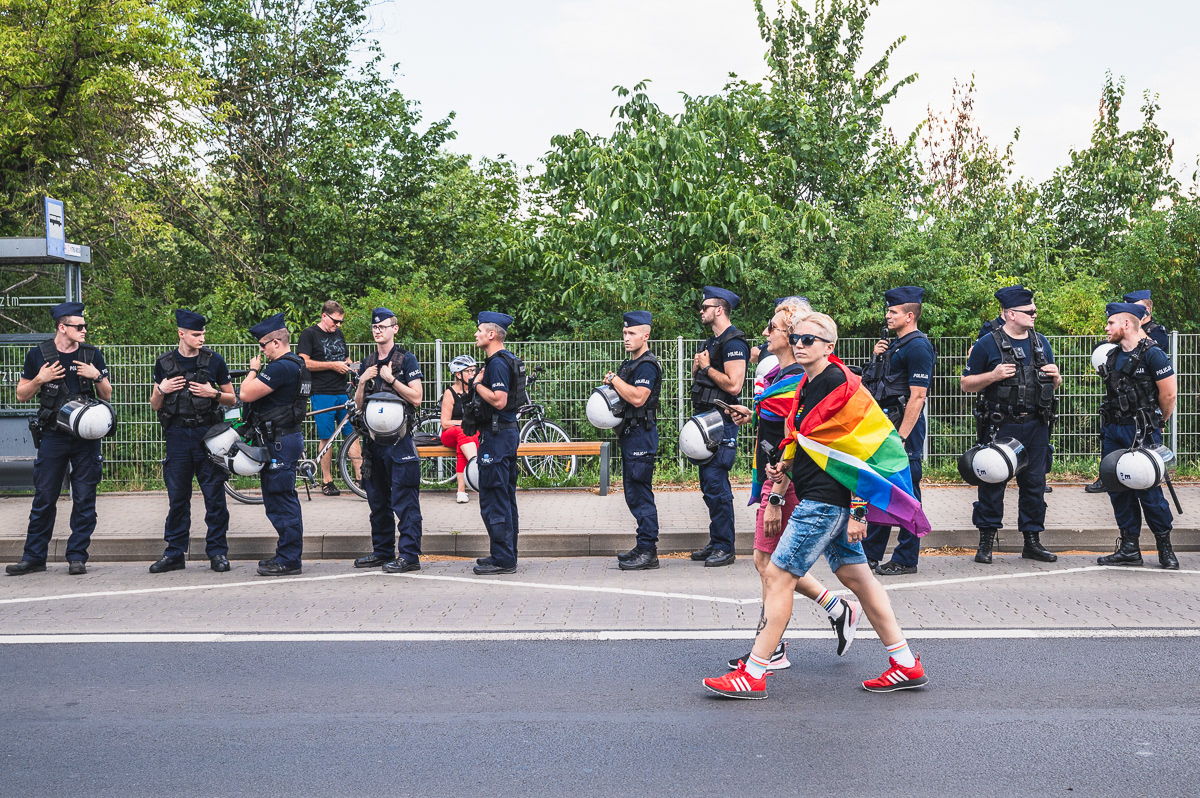
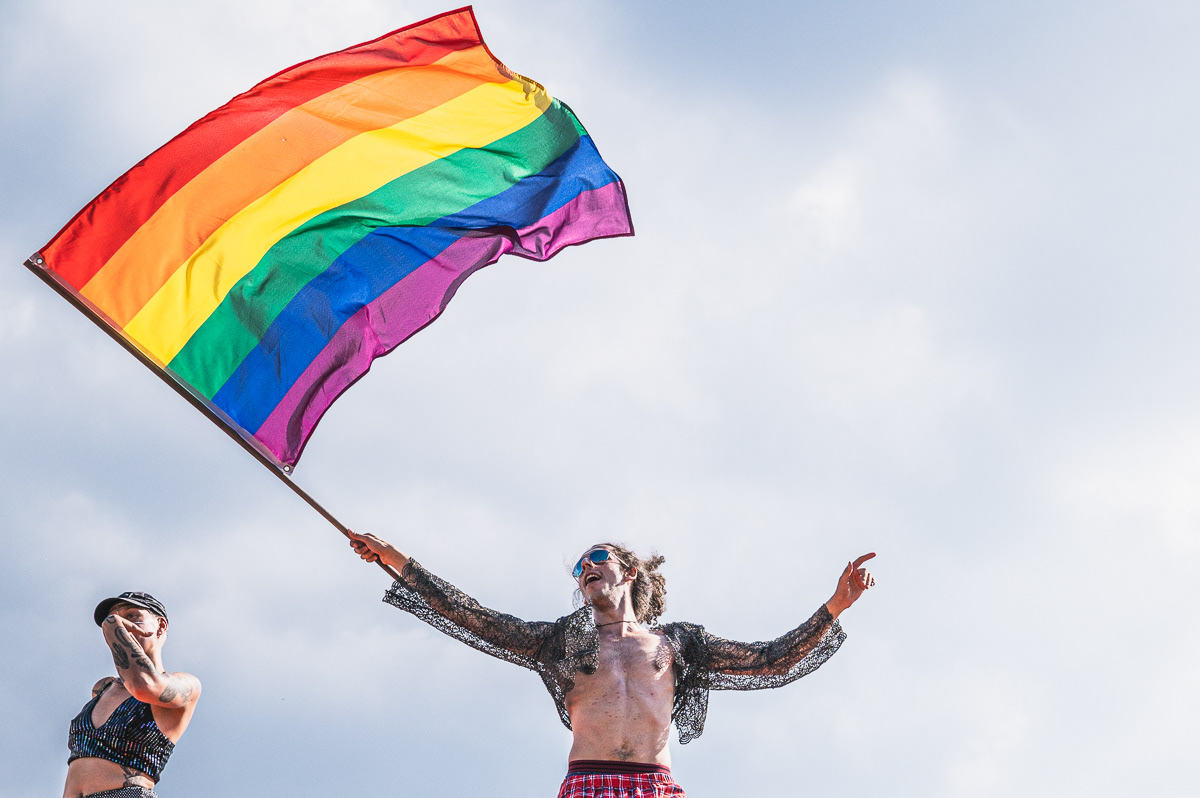
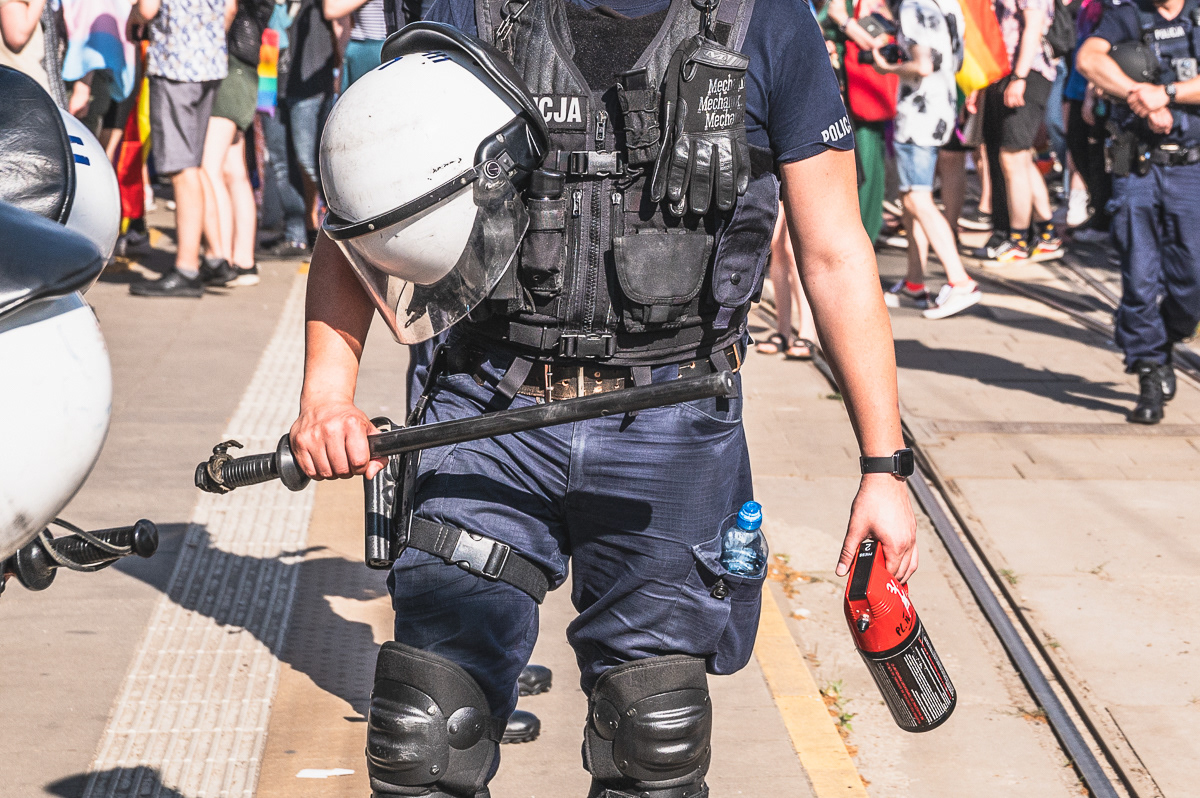
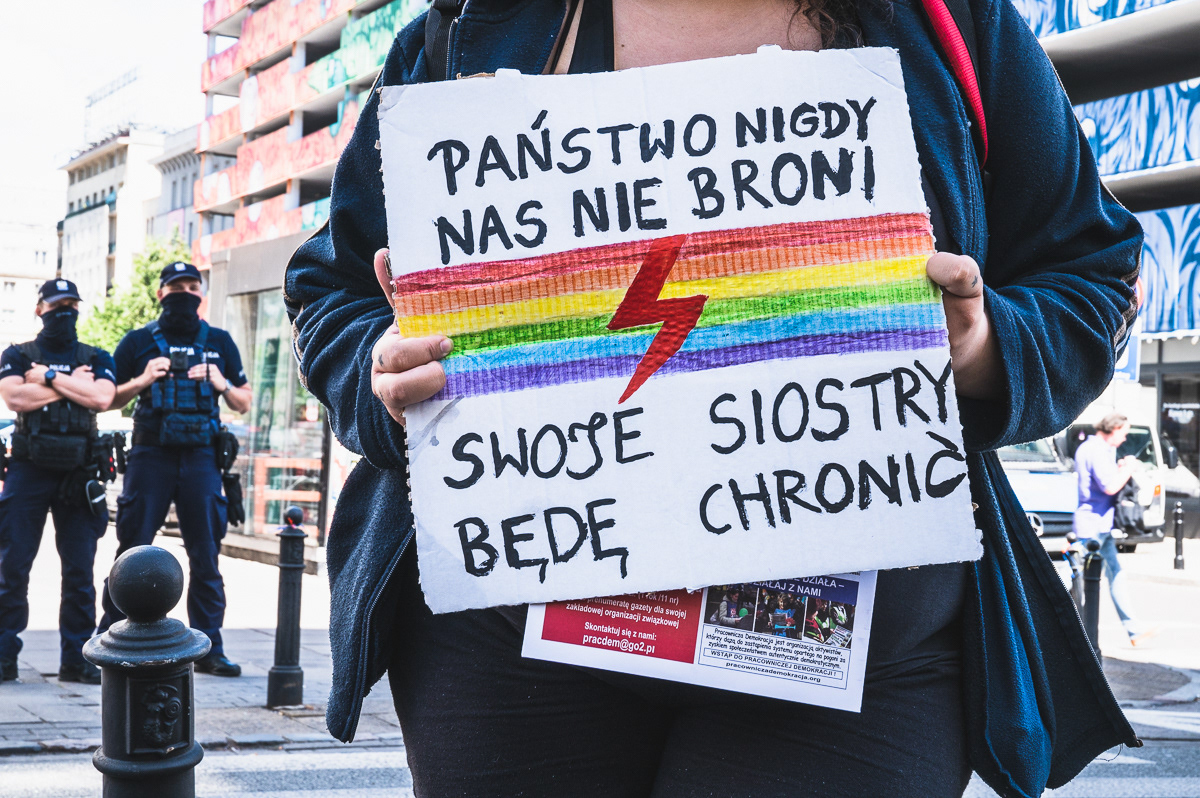
"The state does not defend us, my sisters I will protect"
!["I was afraid to report it when homophobes beat me up, [because of homophobia amongst the Polish police], how many others have the police NOT helped?"](https://cdn.myportfolio.com/8258b37e-c8ca-46fa-a125-b7e45be074bb/f5f6cda0-2995-4dc8-beab-b405751f5fff_rw_1200.jpg?h=a621640c964e257a673603d157e40760)
"I was afraid to report it when homophobes beat me up, [because of homophobia amongst the Polish police], how many others have the police NOT helped?"
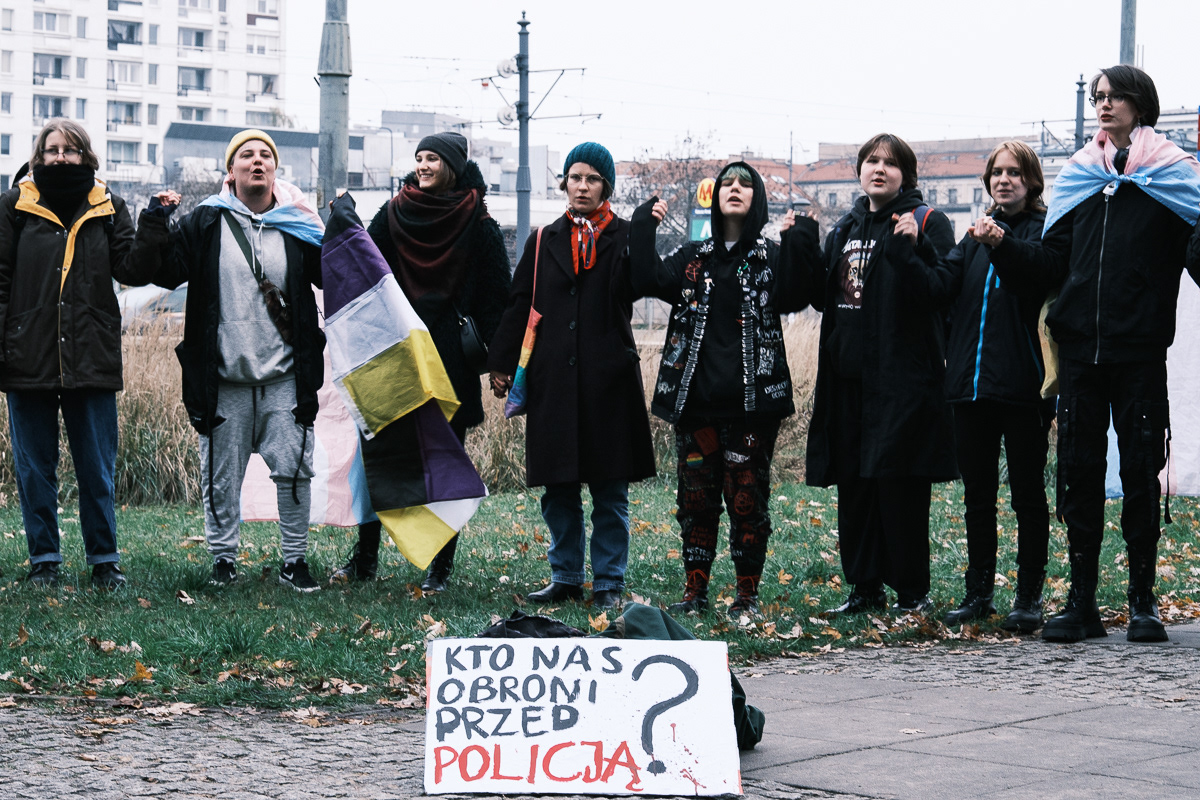
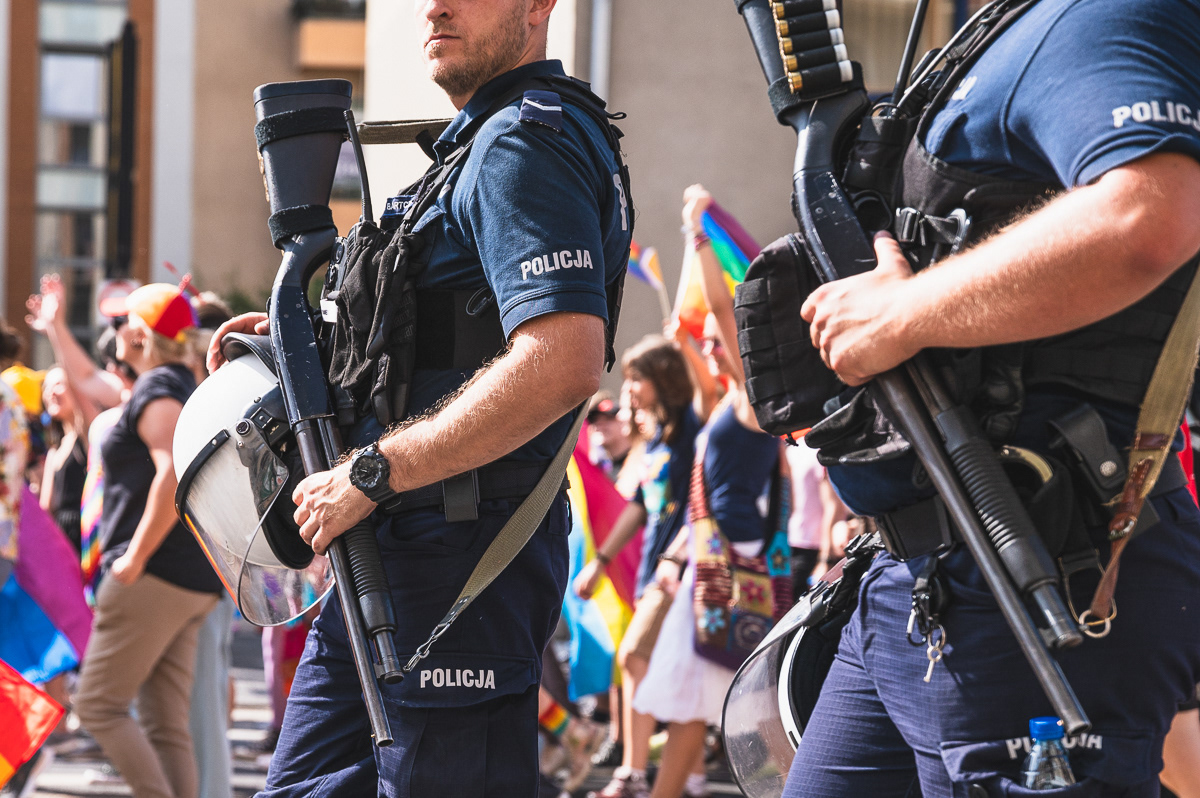
"Who will protect us from the police?"
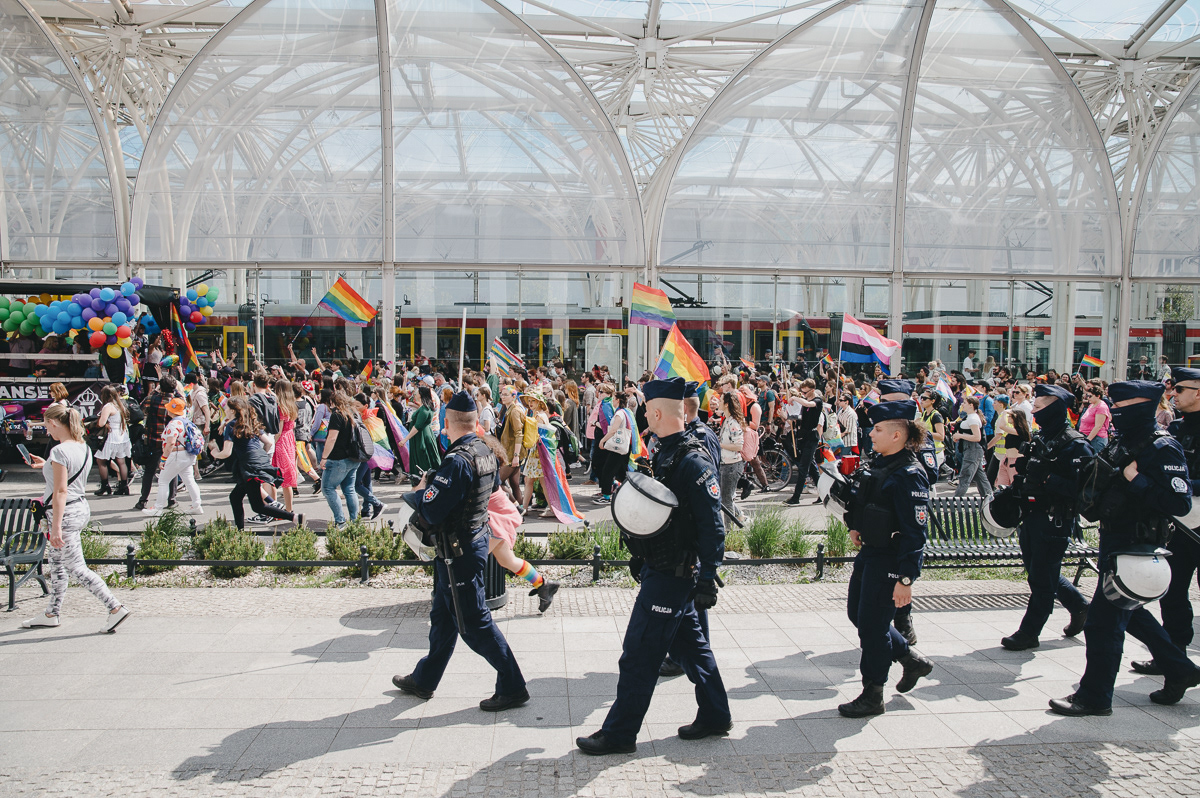


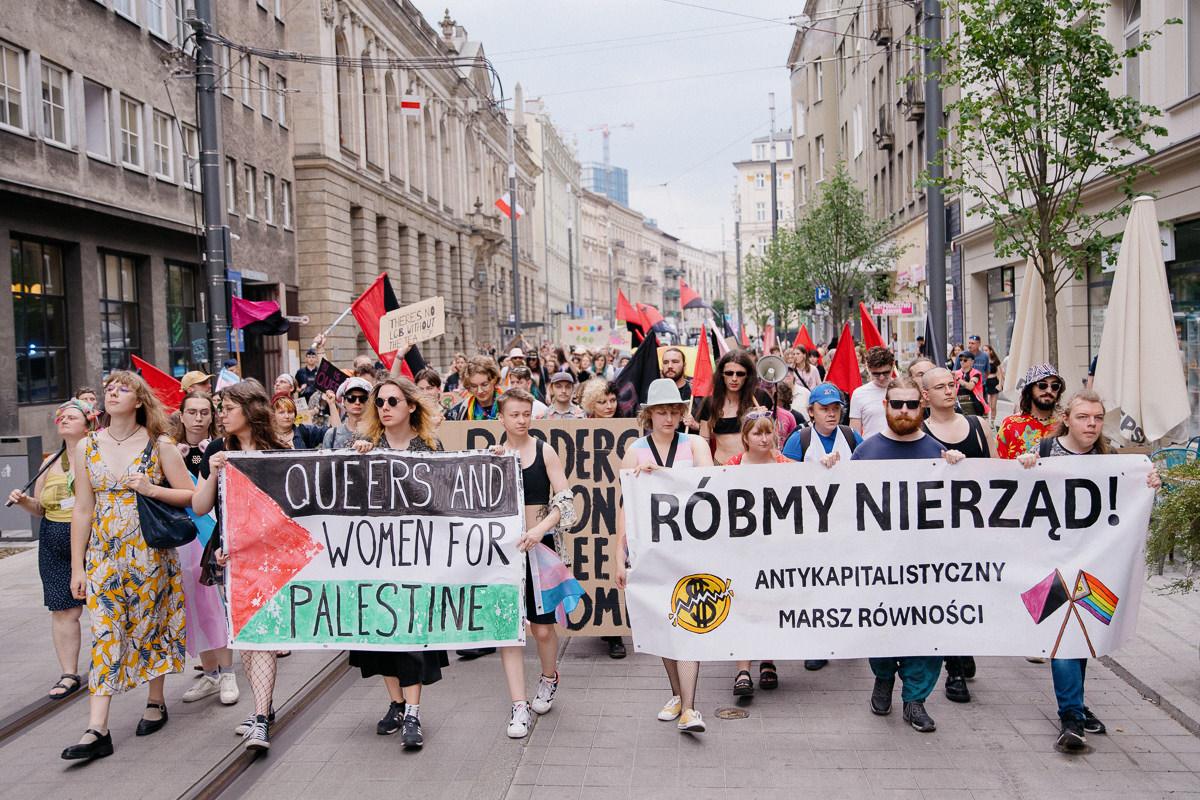
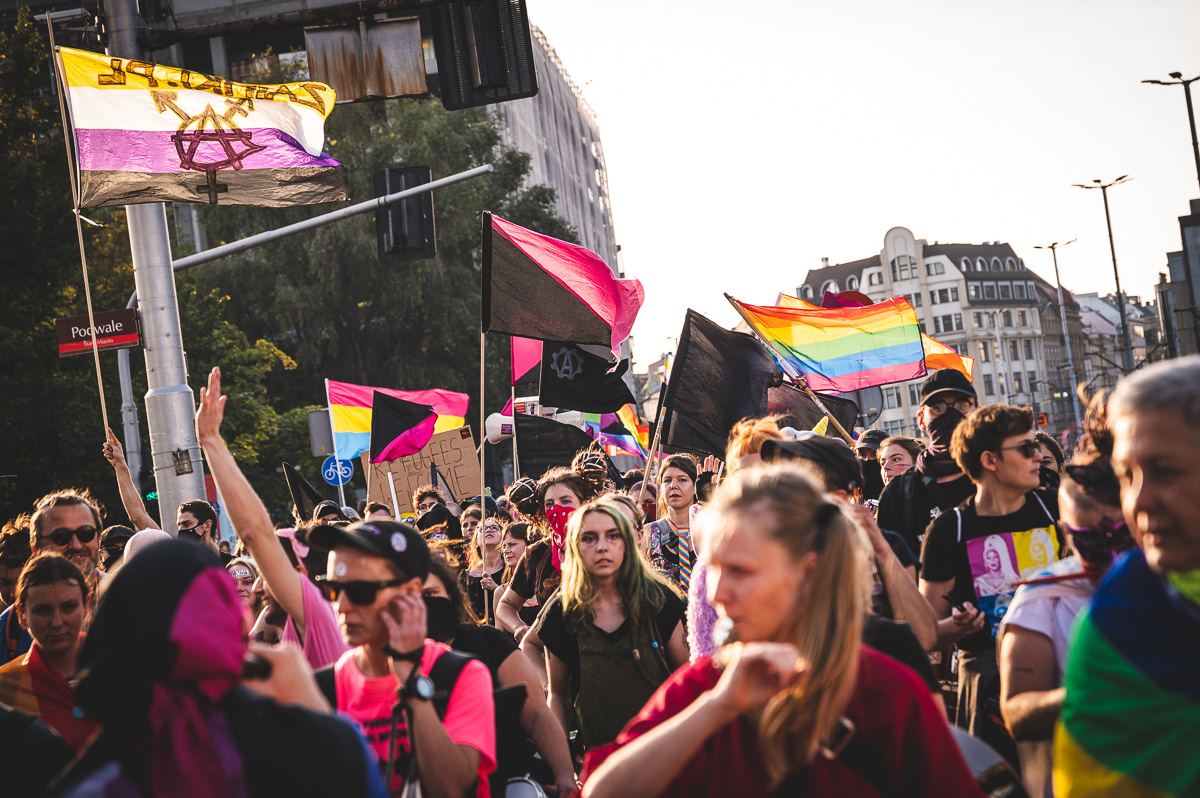
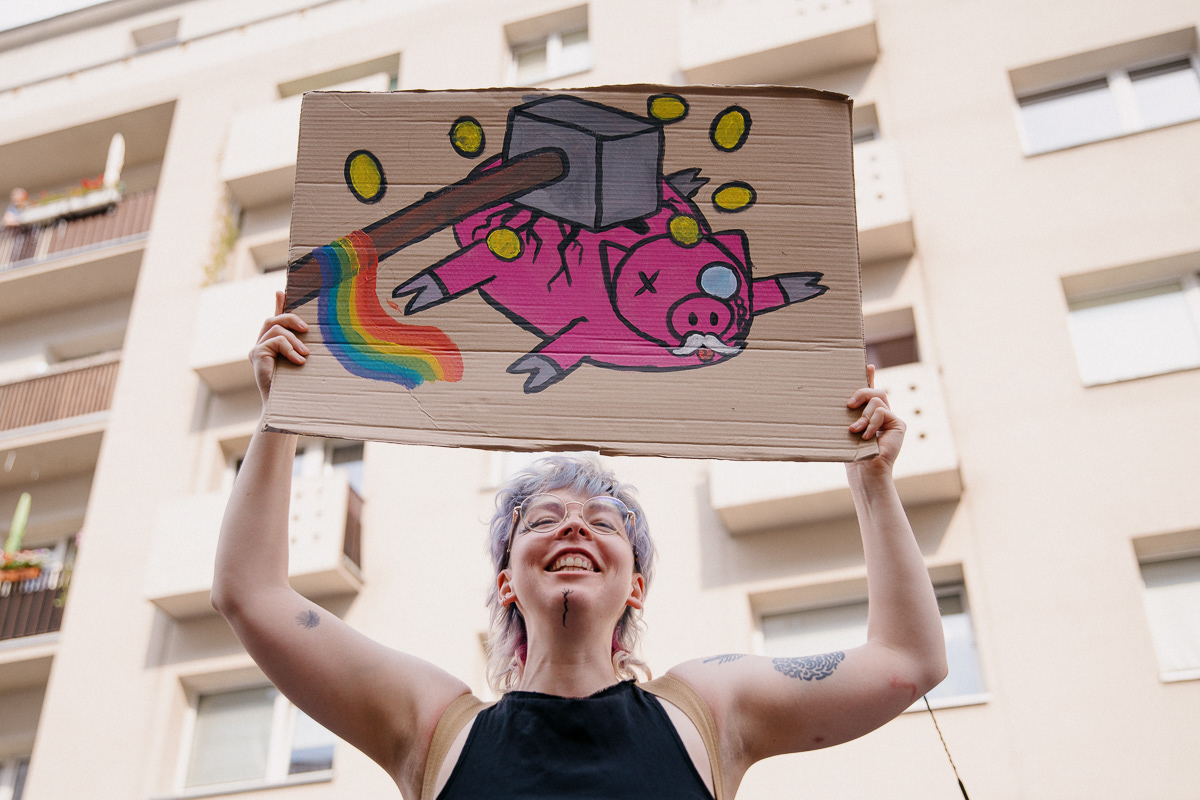
"Let's become ungovernable! Anti-capitalist equality march"
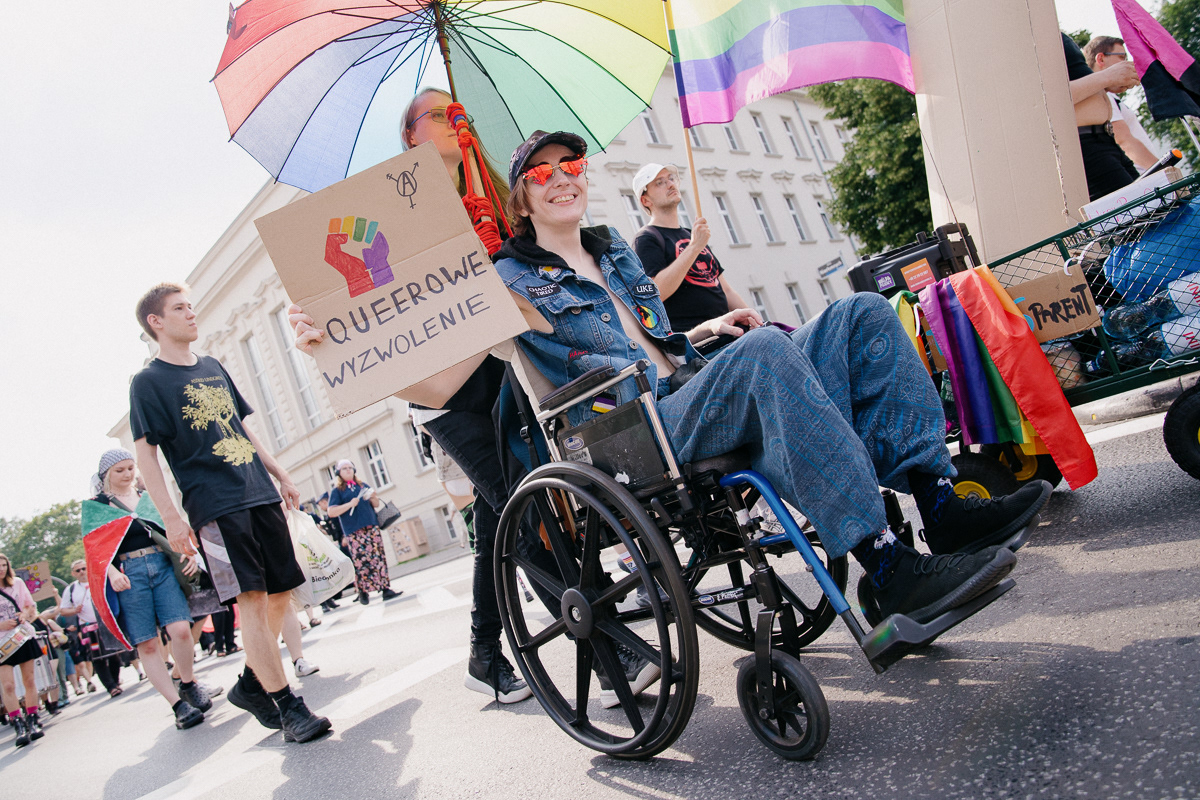
"Queer liberation"
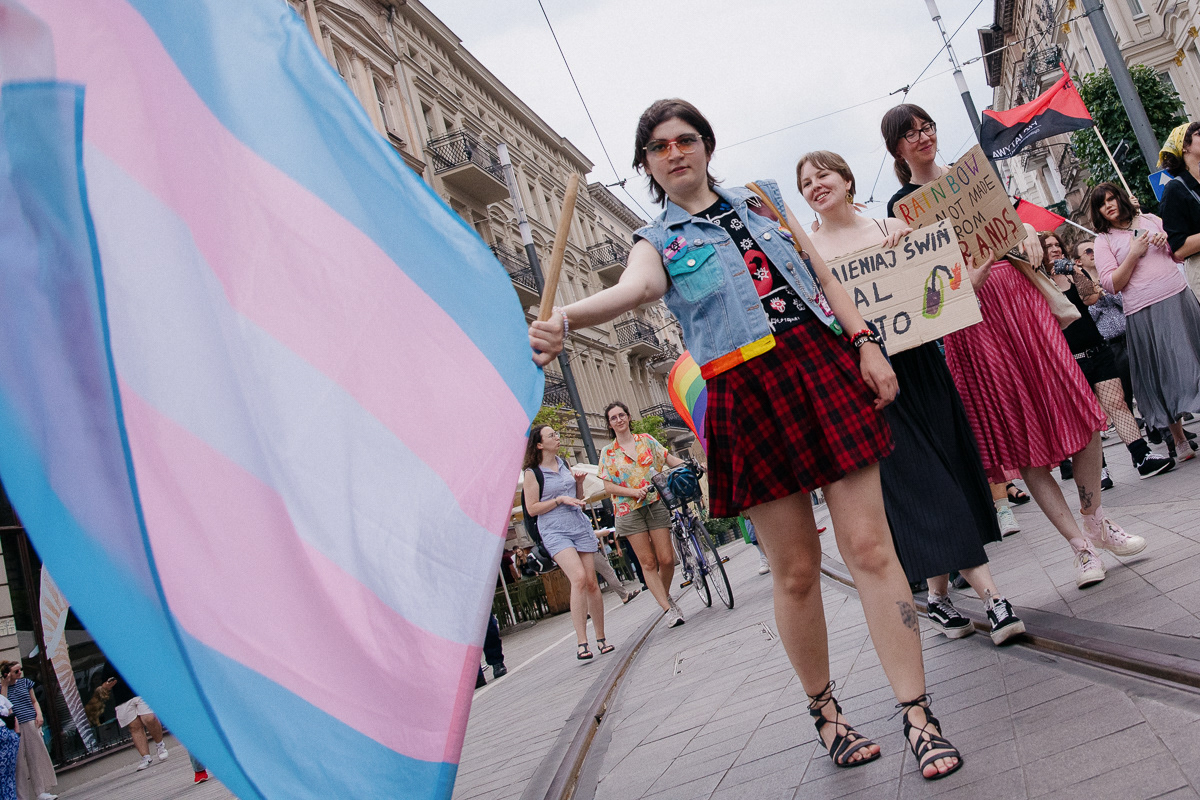
!["Where's the [LGBTQ+ rights] legislation?"](https://cdn.myportfolio.com/8258b37e-c8ca-46fa-a125-b7e45be074bb/84a3fd73-9311-4557-a8ab-ebd9b5452cbd_rw_1200.jpg?h=09aec0b1c9079b30ca4f6e5bf98f9739)
"Where's the [LGBTQ+ rights] legislation?"
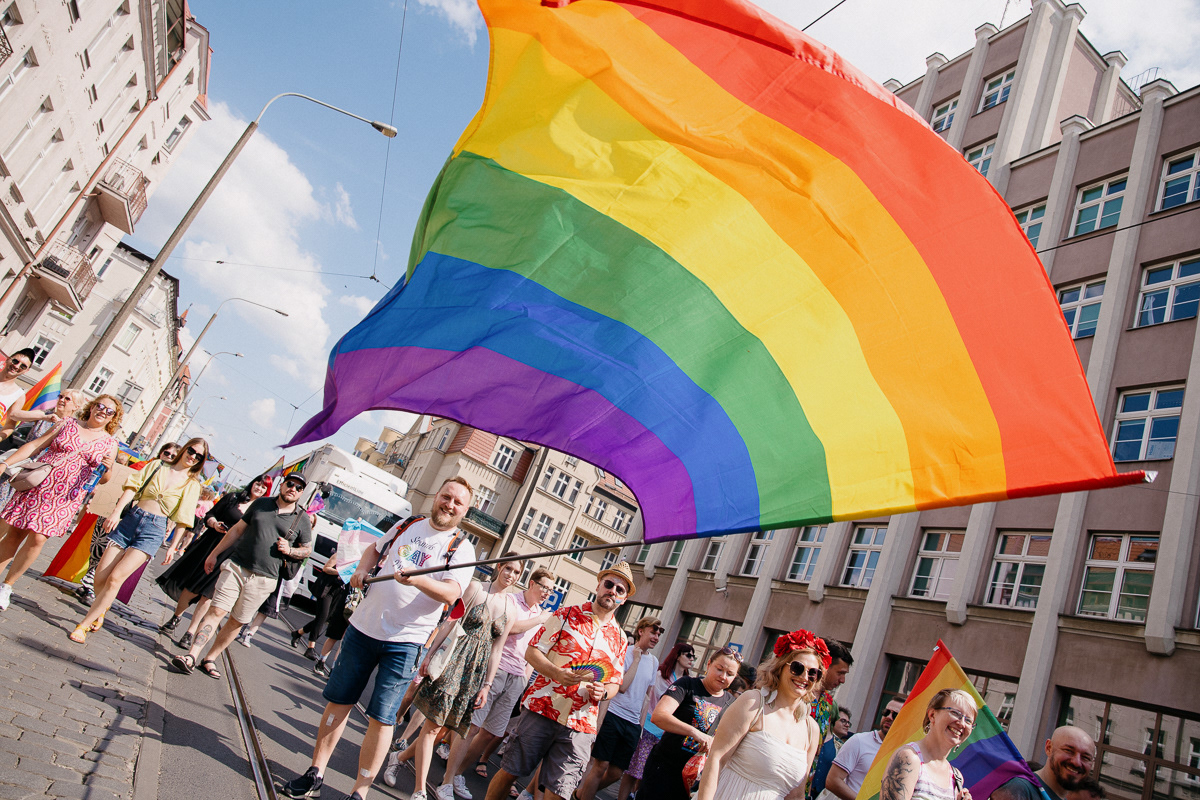
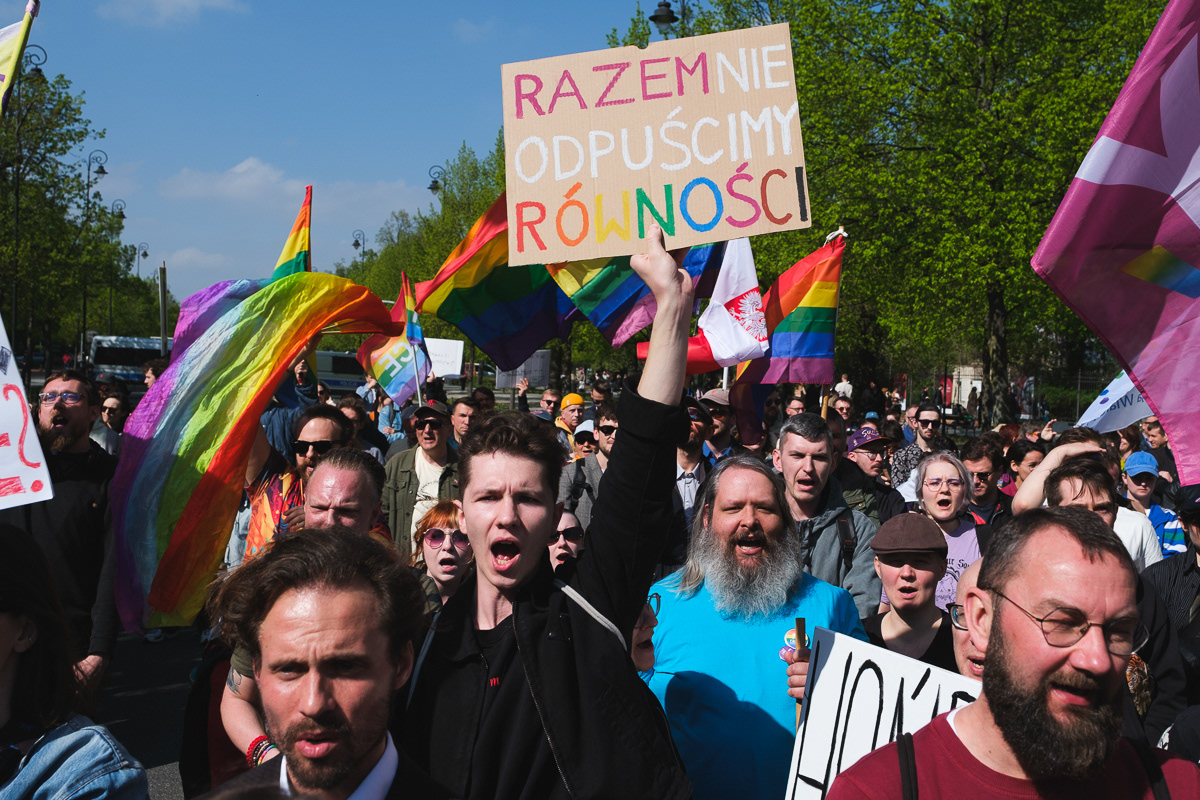
"Together we won't let go of equality"
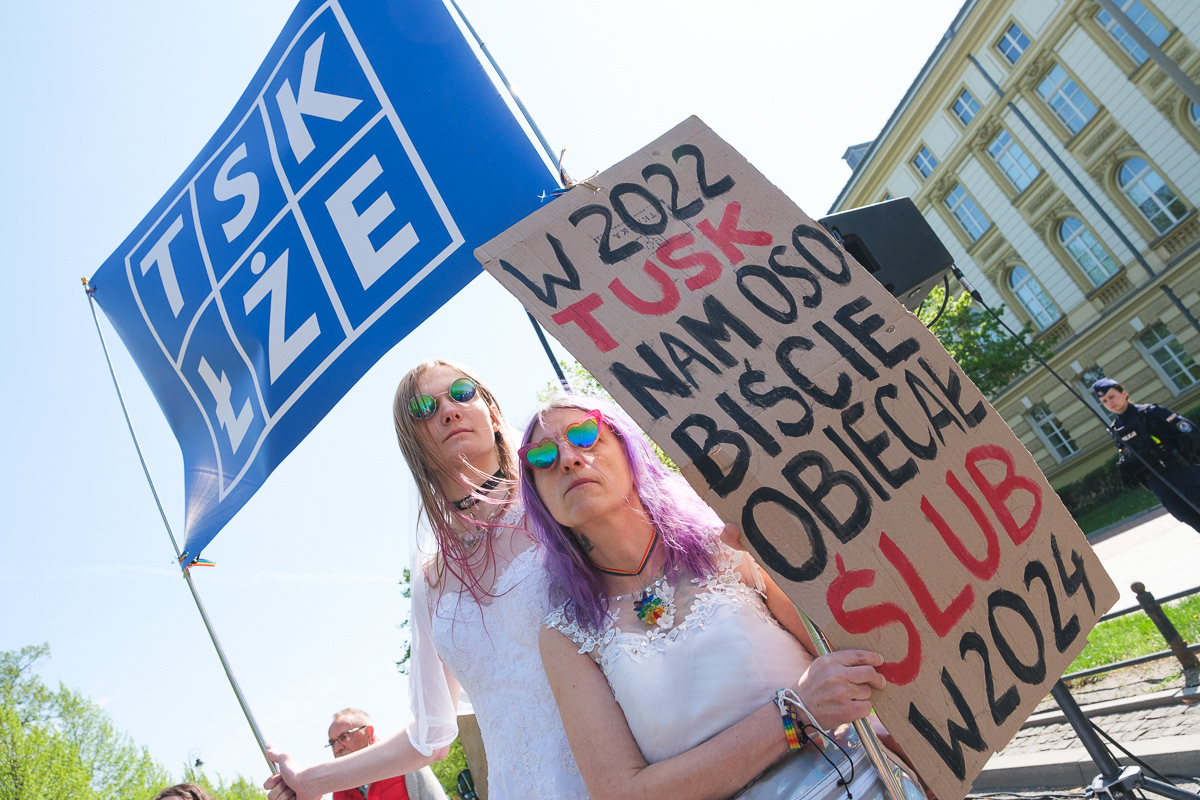
"Tusk lies" (left); "In 2022 Tusk personally promised us marriage in 2024" (right)
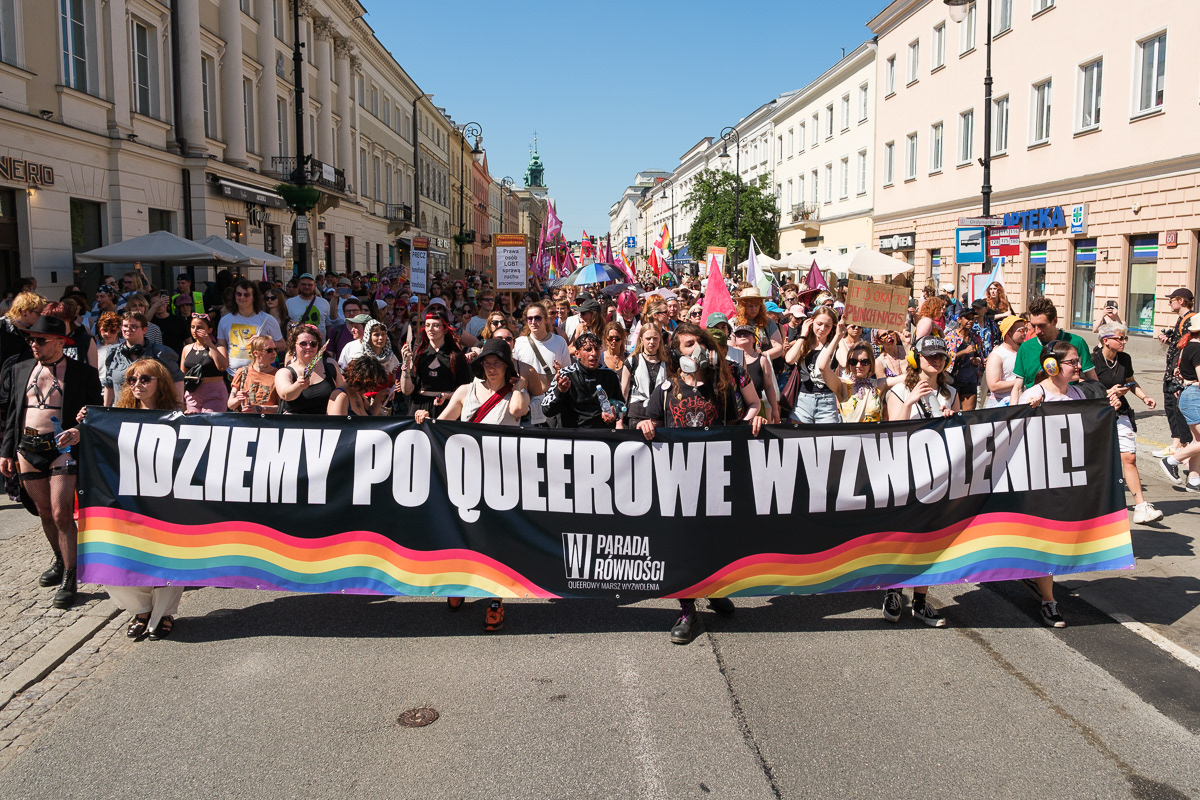
"We are going for queer liberation!"
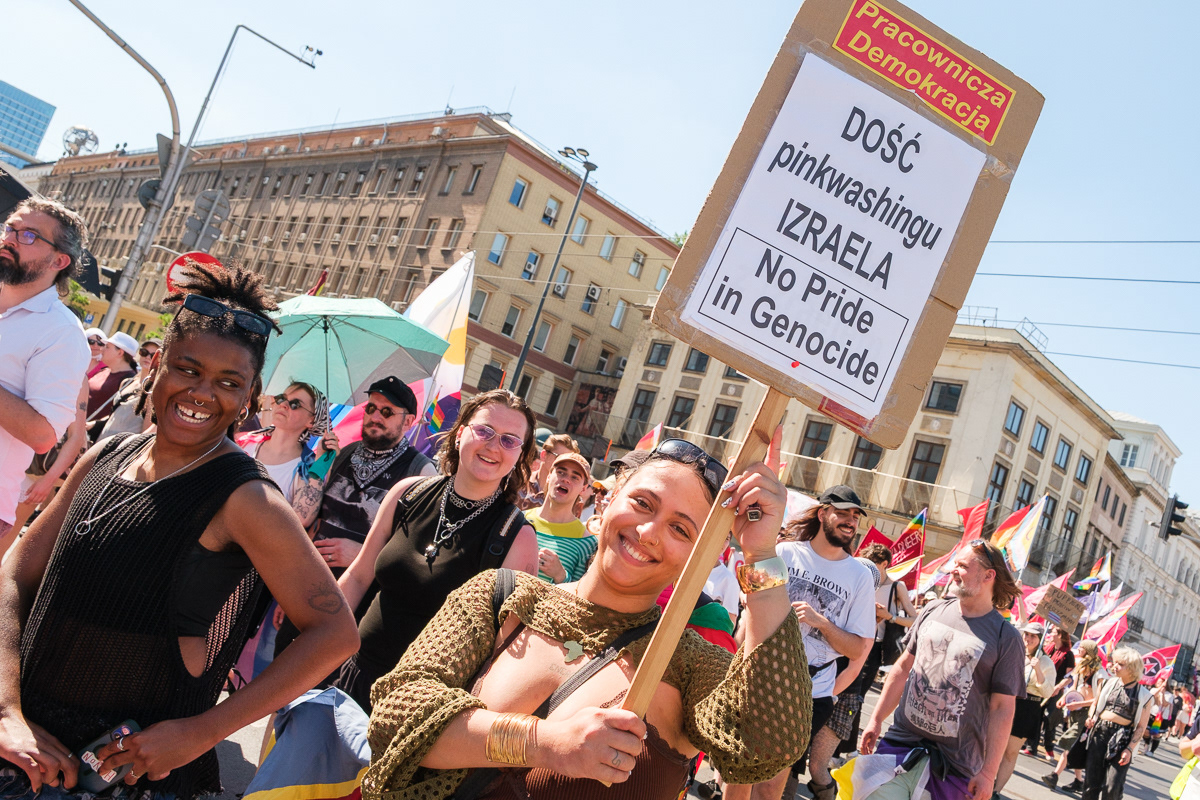
"Worker Democracy; Enough of Israel's pink-washing; No pride in genocide"
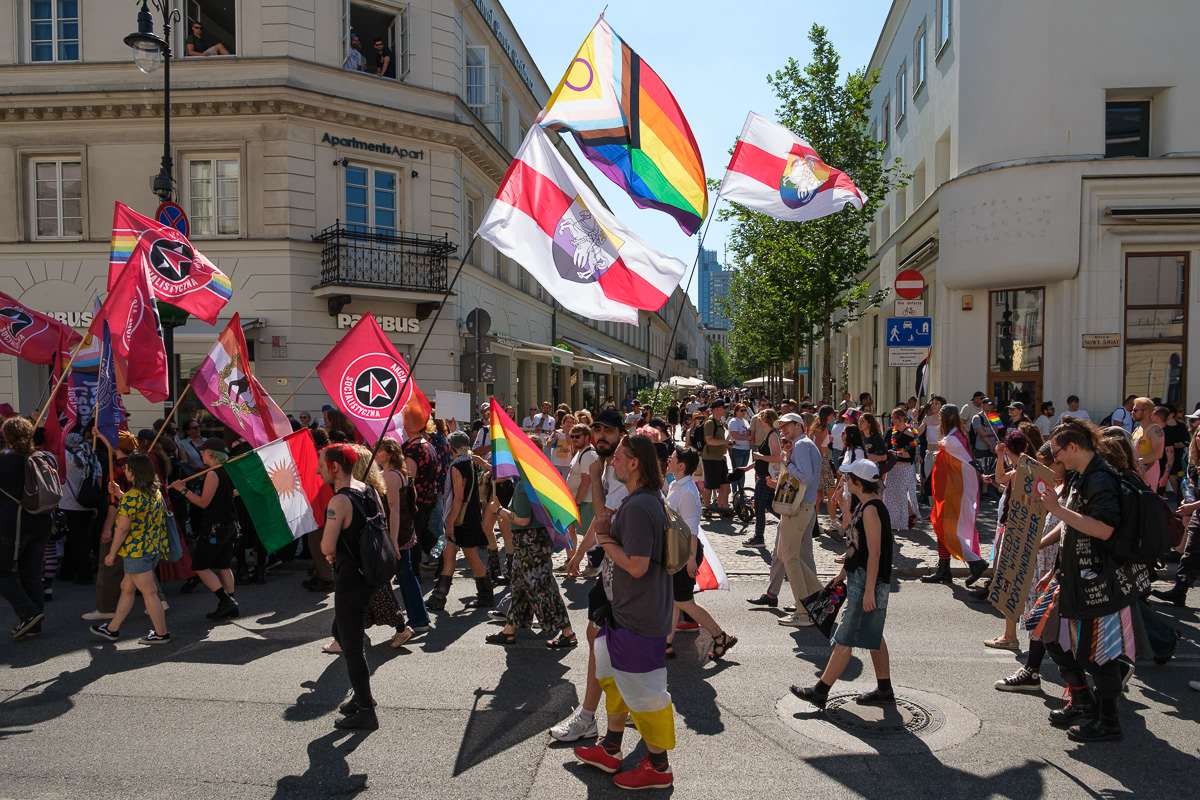
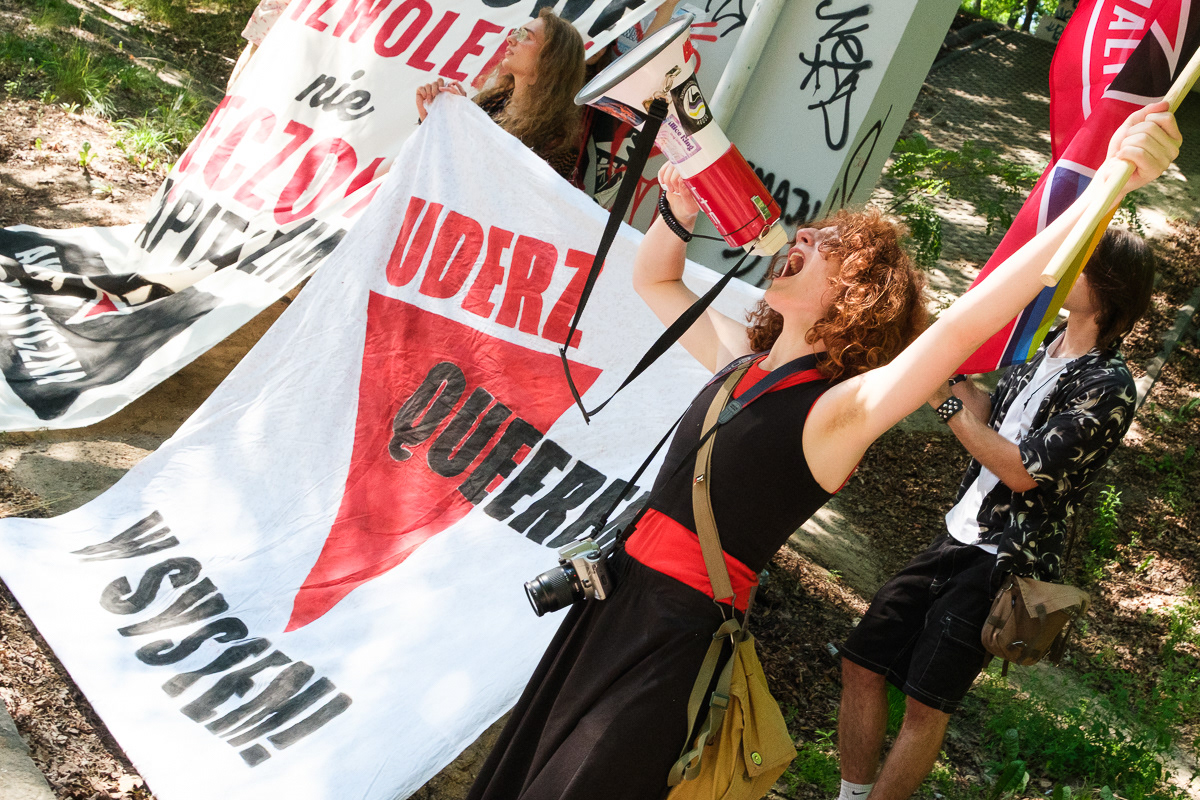
"Strike a blow against the system with your queerness"
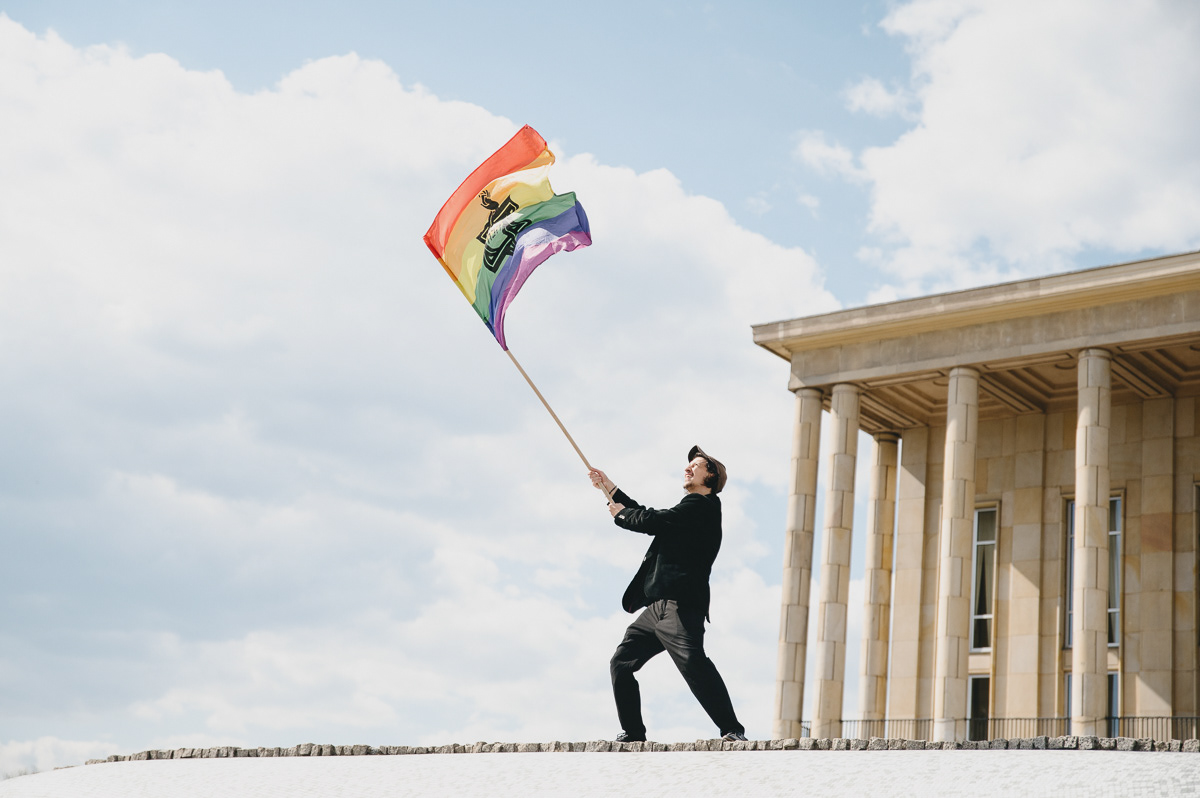
Pride marches, in Polish known as "marsze równości," or "equality marches," although held in Polish cities since 2001, began to proliferate in 2020 following a queerphobic political campaign orchestrated by conservative and right-wing forces in the run-up to the 2020 presidential election. During that time, equality marches and other LGBTQ+ demonstrations were regularly attacked by far-right hooligans. On the 7th of August, 2020, a solidarity demonstration for an arrested queer activist was attacked by the police, who brutally arrested dozens of queer protesters in the streets, an evening often now referred to as "Polish Stonewall." That evening and the brutal repressions of the Women's Strike protests the following autumn and winter sparked a public discourse in Polish society questioning the perceived role of the police as protectors of citizen's rights and safety.
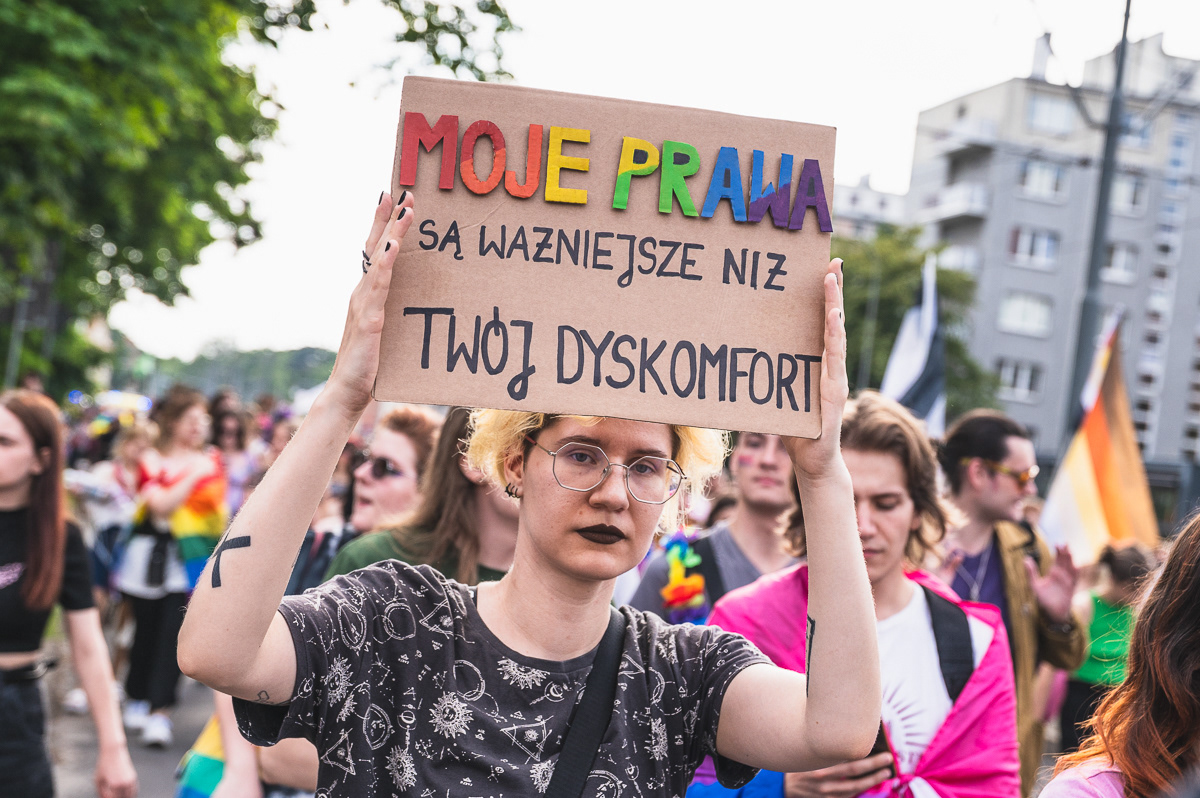
The equality marches have since grown significantly larger and more mainstream having lost much of the protest character of their earlier years and taken on a more celebratory aesthetic common across Pride marches held in Western Europe and North America. Nevertheless, more radical queer activist collectives and individuals continue to maintain that Pride is first and foremost a protest, rather than a celebration, particularly in Poland, which has repeatedly ranked lowest in the EU in terms of protecting LGBTQ+ rights.
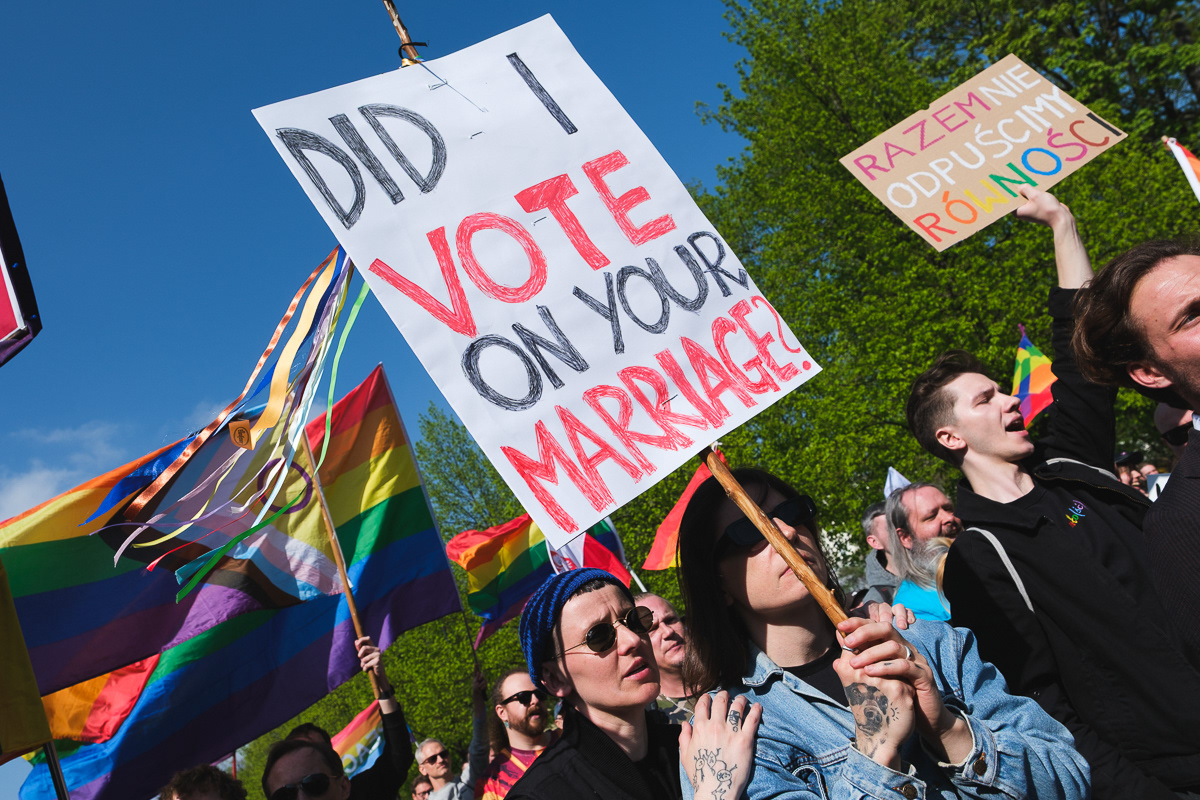
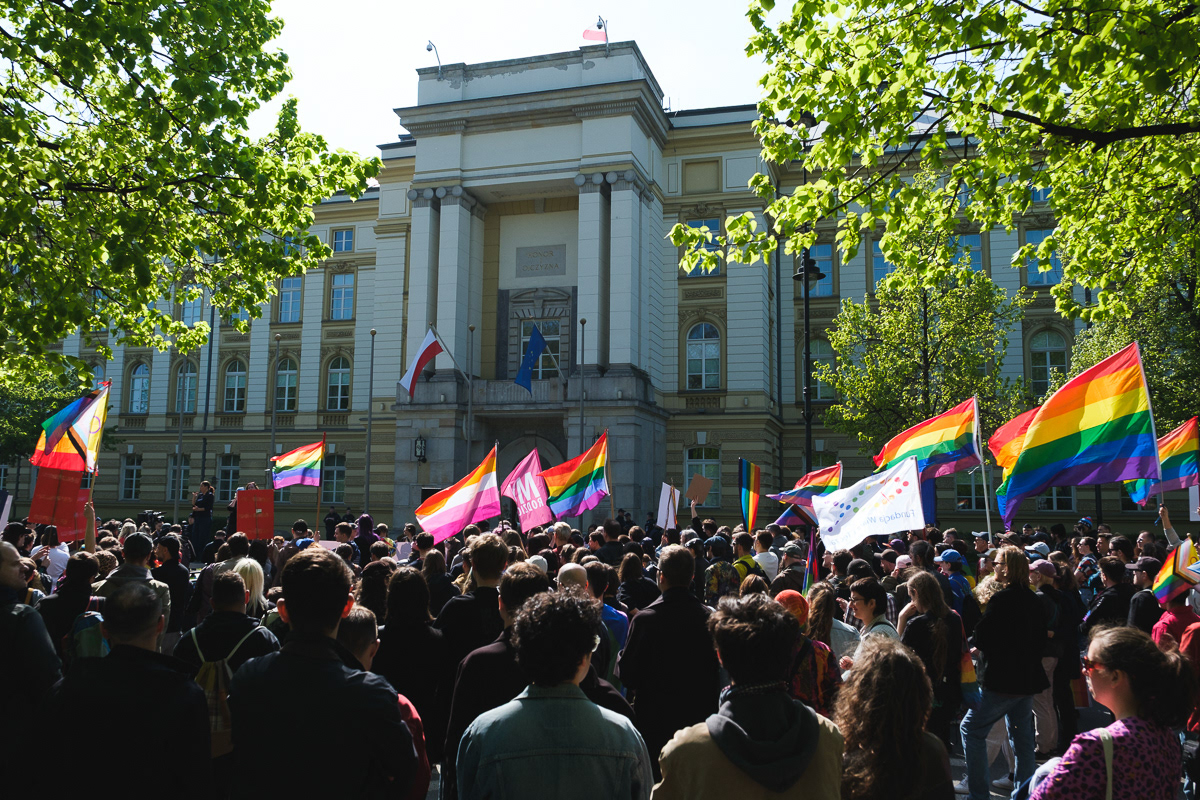
In 2026, demonstrations were organized by Warsaw’s LGBTQ+ community in front of the Chancellery of the Prime Minister of Poland in protest against the Polish government’s unwillingness to implement landmark Polish and European court rulings requiring the recognition of same-sex marriages carried out in other EU member states. The Court of Justice of the European Union (CJEU) ruled that failure to recognize such marriages violates EU freedoms while Poland’s Supreme Administrative Court (NSA) ordered the country’s registry office to recognize a same-sex marriage between two Polish men carried out in Germany.
On 20 June, hundreds marched in Warsaw's first ever radical Pride parade. Called "Equality Parade - Queer Liberation March" in Polish, the grassroots march was organized by a collective of radical LGBTQ+ activists as an anti-capitalist alternative to Warsaw's traditional Pride parade, which has become dominated by corporate sponsors, many of which pink-wash their images without meaningfully contributing to the advancement of LGBTQ+ rights in Poland.
On 20 June, hundreds marched in Warsaw's first ever radical Pride parade. Called "Equality Parade - Queer Liberation March" in Polish, the grassroots march was organized by a collective of radical LGBTQ+ activists as an anti-capitalist alternative to Warsaw's traditional Pride parade, which has become dominated by corporate sponsors, many of which pink-wash their images without meaningfully contributing to the advancement of LGBTQ+ rights in Poland.